Remix

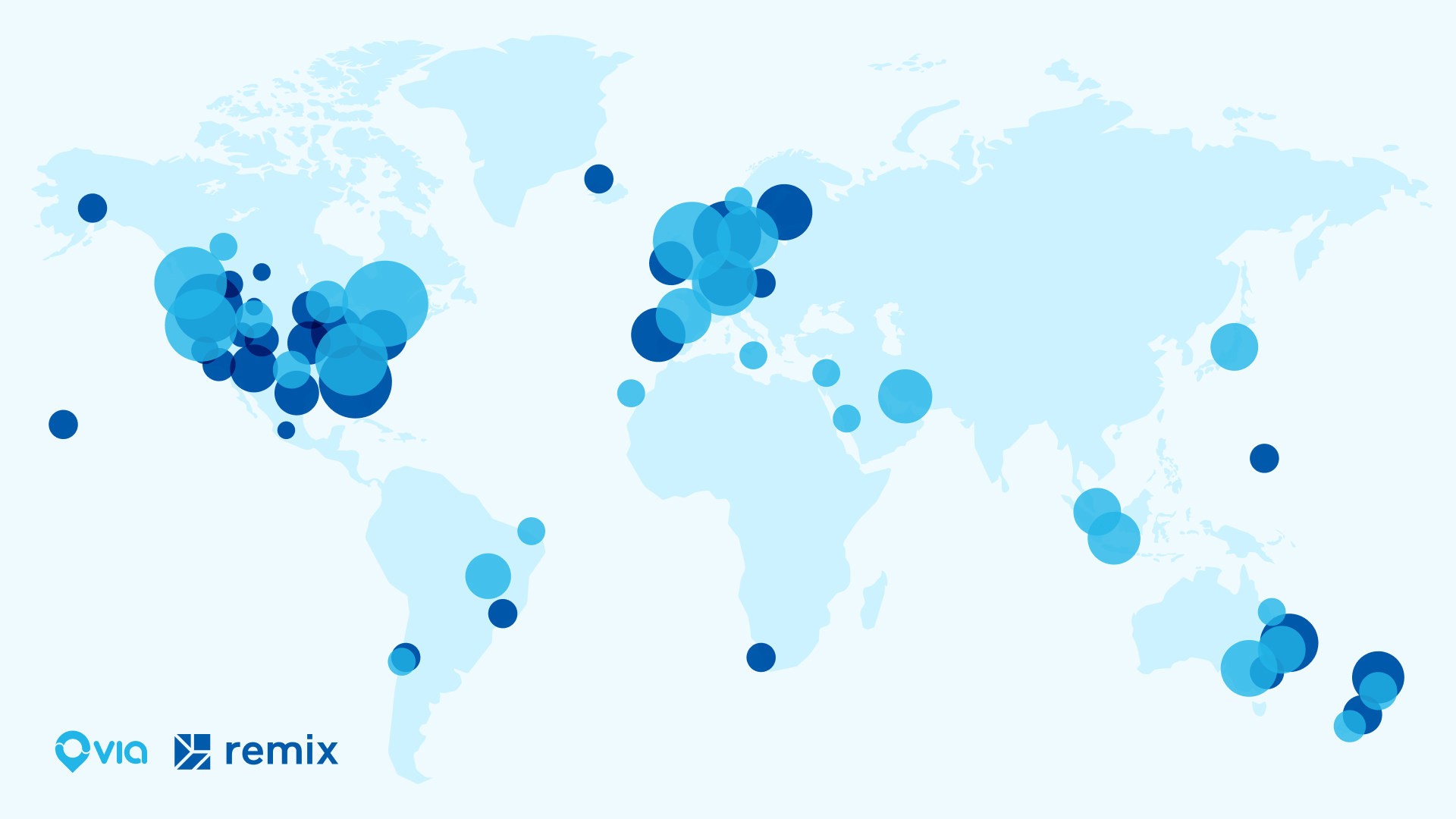
Remix is an end-to-end transit planning software that simplifies the process of designing and operating fixed-route transit networks. With tools for planning, scheduling, and daily operations, Remix supports over 450 transit agencies worldwide.
Client Context
Public transit networks can make or break a city. In many places, thousands to millions of people rely on buses or subways daily for essential tasks like commuting to work, attending important appointments, or connecting with loved ones. Impact doesn't stop there, as transit accessibility is often a key factor determining real estate values and a city's general ability to grow spatially and economically.
With so much on the line, it's no surprise that operating an efficient transit network is incredibly complex. The reason for this is that altering an operating network is incredibly difficult. Many networks rely on built infrastructure like bus shelters or subway stations. These spaces are expensive to develop, and making changes is difficult due to the investment and commitment they require. This can pose a problem for cities as they grow, as transit needs in various areas change over time.
Furthermore, another source of difficulty is change management. Because transit systems are so critical to citizens' lives, many transit agencies are hesitant to change how they operate. This means that many agencies still operate with outdated practices and systems, often relying on pen and paper to manage crucial parts of their operations.
Remix was created to address all the above, providing improved change management and operations for transit agencies. Remix is a transit planning, scheduling, and operations tool that helps cities design and manage their public transit networks.
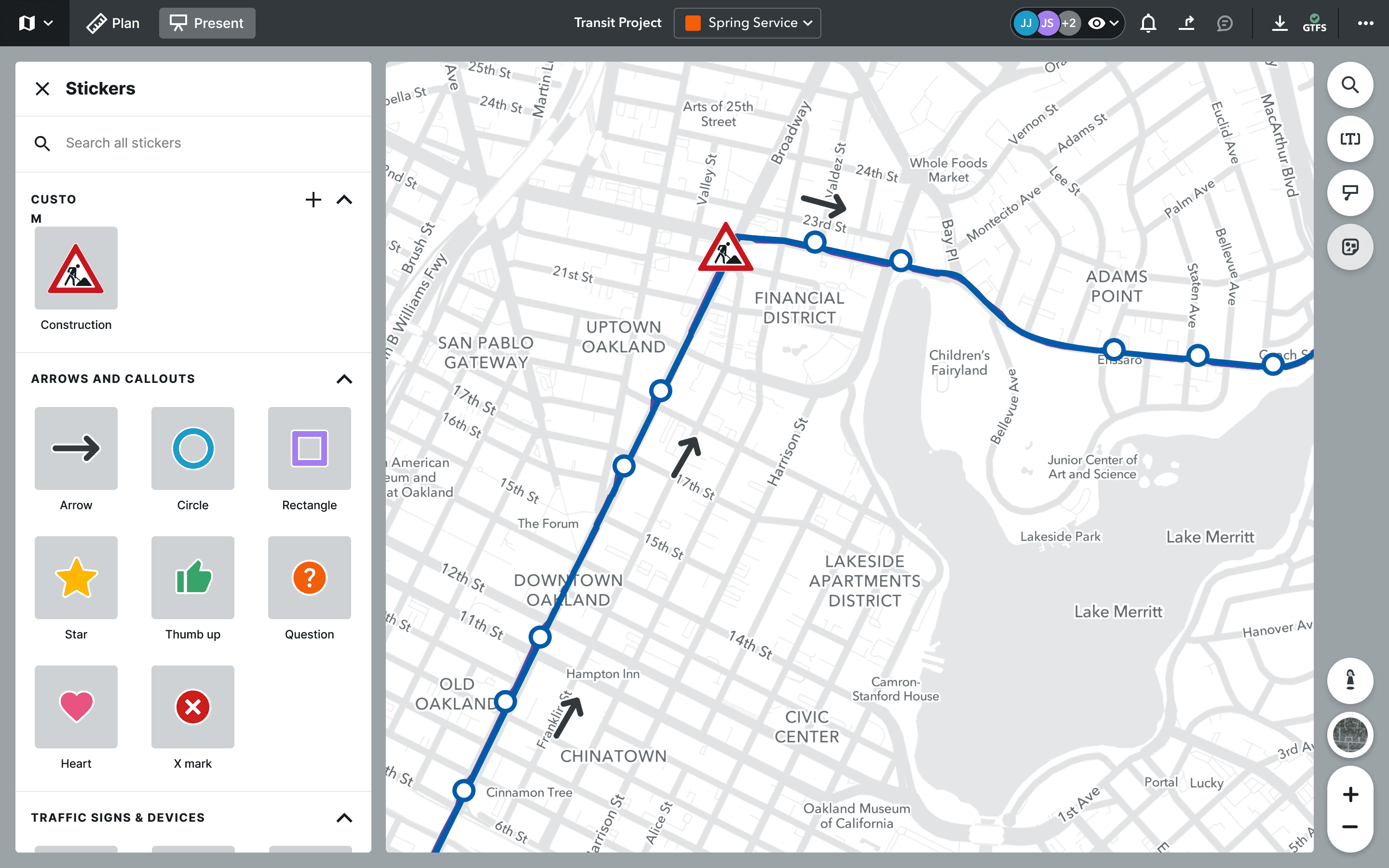
When planning, users can review their current transit network to evaluate service quality and locate areas for improvement. This analysis uses spatial data, enabling users to make informed decisions about everything from stop placement to where new transit lines should be introduced.
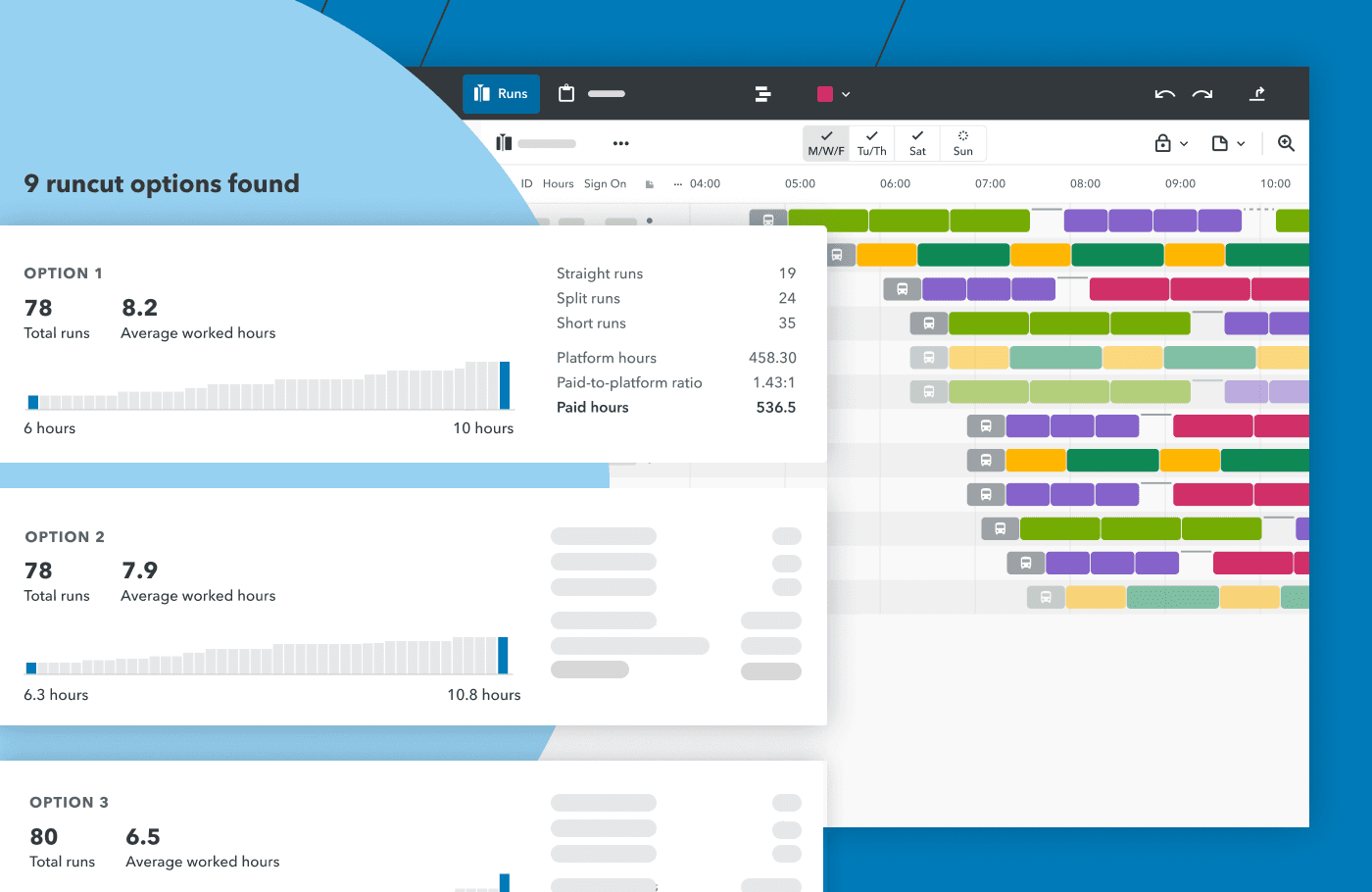
In the Remix scheduling module, agencies set their service schedules through blocking and run cutting. This provides dispatchers and leadership with clear, 24/7 instructions for the daily tasks of all operators and vehicles. Scheduling ends with rostering, allowing agencies and drivers to create multiple driver bids based on their preferences.
Finally, Remix operations is live management software that offers dispatchers the insights and tools needed to oversee daily service. With straightforward workflows for handling driver call-outs, vehicle breakdowns, or route changes, operations help maintain order amidst the daily chaos of any transit network.
Project Overview
I lead customer enablement and adoption of Remix software for multiple transit agencies across the United States. Deployments were done in three phases.
Agency Research
Client work always began with an analysis of their existing service. Using spatial and ridership data, I assessed current service efficiency and identified network-specific opportunities for improvement.
Onboarding
Onboarding consisted of an audit of the agency's current operational practices and technology used. This was followed by ensuring compatibility and connecting their existing systems to Remix, as well as setting users up on the platform
Training
The final step of the Remix implementation was live training. I lead Remix instructional workshops and 1-on-1 sessions with transit agency leadership, dispatch, and select drivers. Sessions were both on-site and off-site, with each client receiving multiple weeks of technical and operational support
Unique Factors / Challenges
Unique factors of Remix implementation projects were the following
Varying efficiency priorities
At a high level, all Remix clients wanted to improve the efficiency of their services. That said, the key metrics for each client varied. Some agencies wanted to increase ridership numbers, as this often heavily determined the agency's ability to receive future funding. Other agencies sought to achieve the lowest possible cost per ride, as they were often under greater public scrutiny. For others, the total geographic area covered was the most important metric, especially for agencies in low-density rural areas that wanted to ensure effectiveness via home and job coverage across a wide area. Client analysis and recommendations were tailored to the agency's specific goals and capabilities.
Unique agency hardware
All agencies had existing workflows involving digital and physical components. These flows ranged from agency-specific practices that drivers were required to follow upon arrival at work to the management of how data flowed into onboard vehicle CAD/AVL hardware, providing dispatchers with insight into live vehicle locations. A large part of implementation efforts consisted of ensuring operational system compatibility. In times when Remix software exports weren't compatible with upstream CAD/AVL hardware, additional engineering work was undertaken to create custom integrations.
Different levels of technical ability
At most agencies, all team members were trained on how to use the software. This often included more technically savvy team members who learned the software quickly, as well as less technically adept team members who were used to relying solely on pen and paper for their tasks. Bespoke training materials and methods were used for each client based on their staff's comfort with the platform.
Achievements & Outcome
Identified areas for improvement for each client, with changes often directly boosting transit accessibility for the public.
Saved hundreds of thousands of dollars annually per client by helping agencies greatly cut the number of vehicles and overtime driver hours needed for their services.
Enhanced driver satisfaction, as Remix-created schedules gave operators more consistent daily routes and consecutive days off.
Increased agency service flexibility, as Remix frequently shortened the time to generate a complete network service schedule from over 5 months to just 2 weeks, with the added ability to adjust existing schedules without starting from scratch.