
Client Context
Los Angeles is one of the most iconic cities in the world. From Rodeo Drive to Santa Monica, LA is known for the glitz and glamour of Hollywood, some of the world's most famous beaches, beloved sports teams like the Lakers, and much, much more. While there is a lot to like about the city of flowers and sunshine, one of the few clouds on Los Angeles' reputation is public transit. For a city of 4 million residents, public transportation options are sparse, and many rely on personal vehicles to get around the region. This has led to massive amounts of traffic and smog that Los Angeles is now known for.
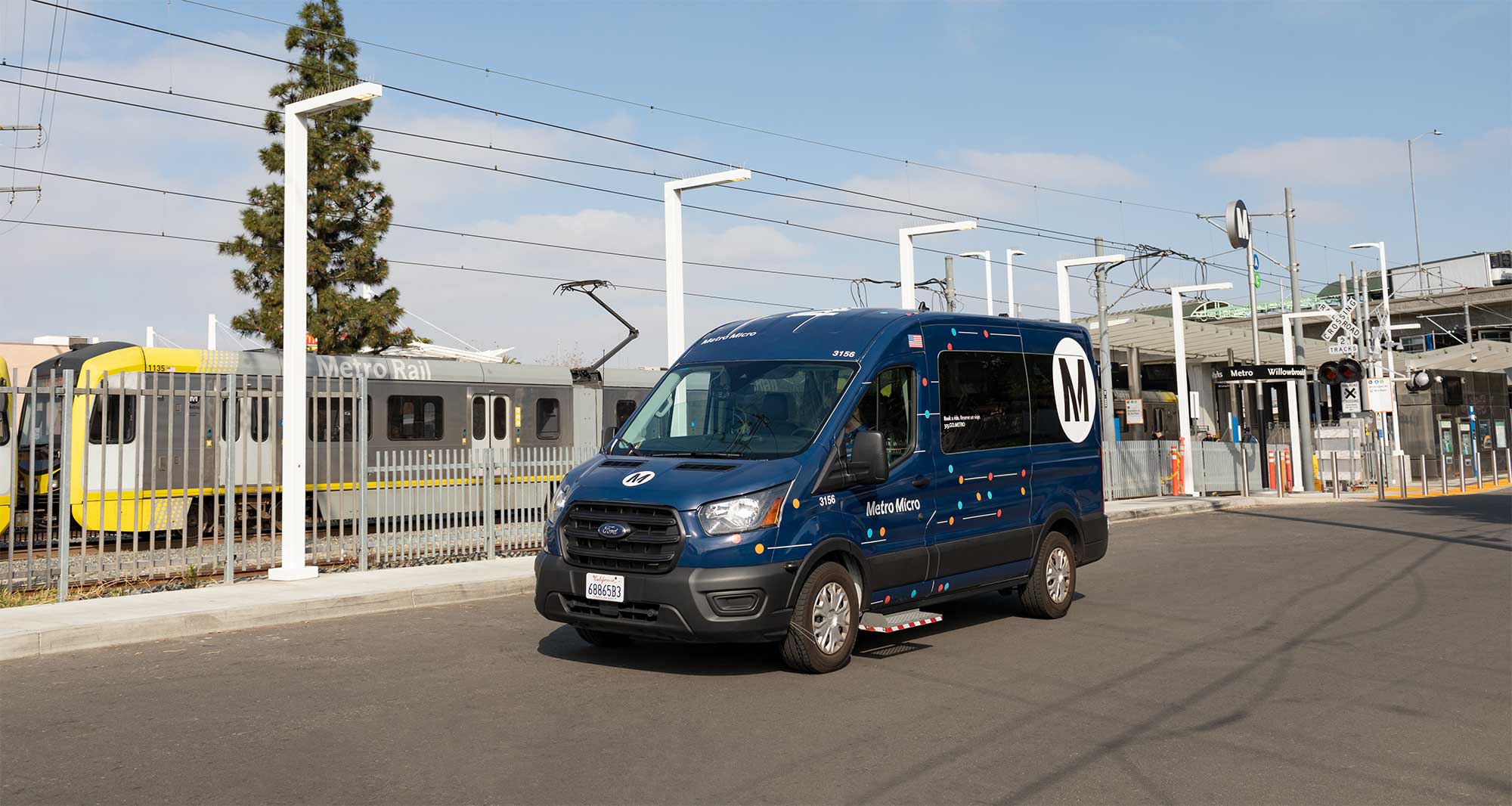
Back in 2020, Los Angeles' transit agency, Metro, moved to introduce a microtransit service to supplement transit options in the region and meet a wide range of mobility needs.
Project Overview
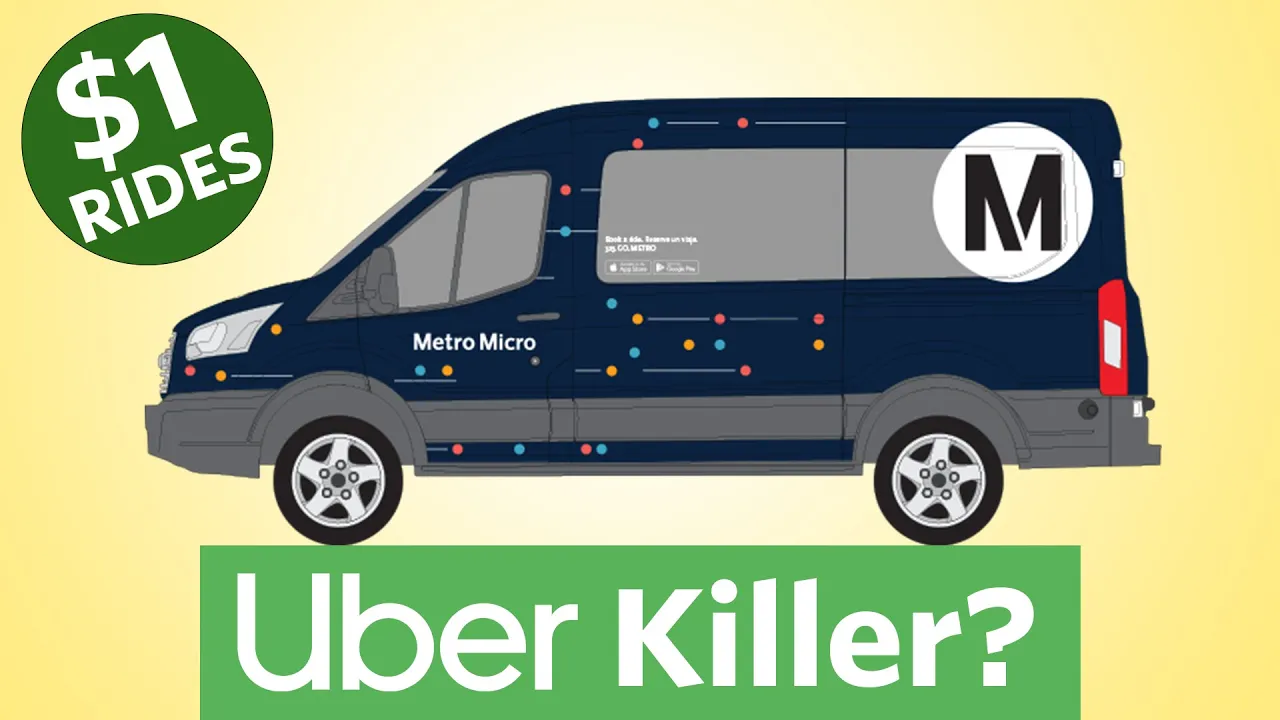
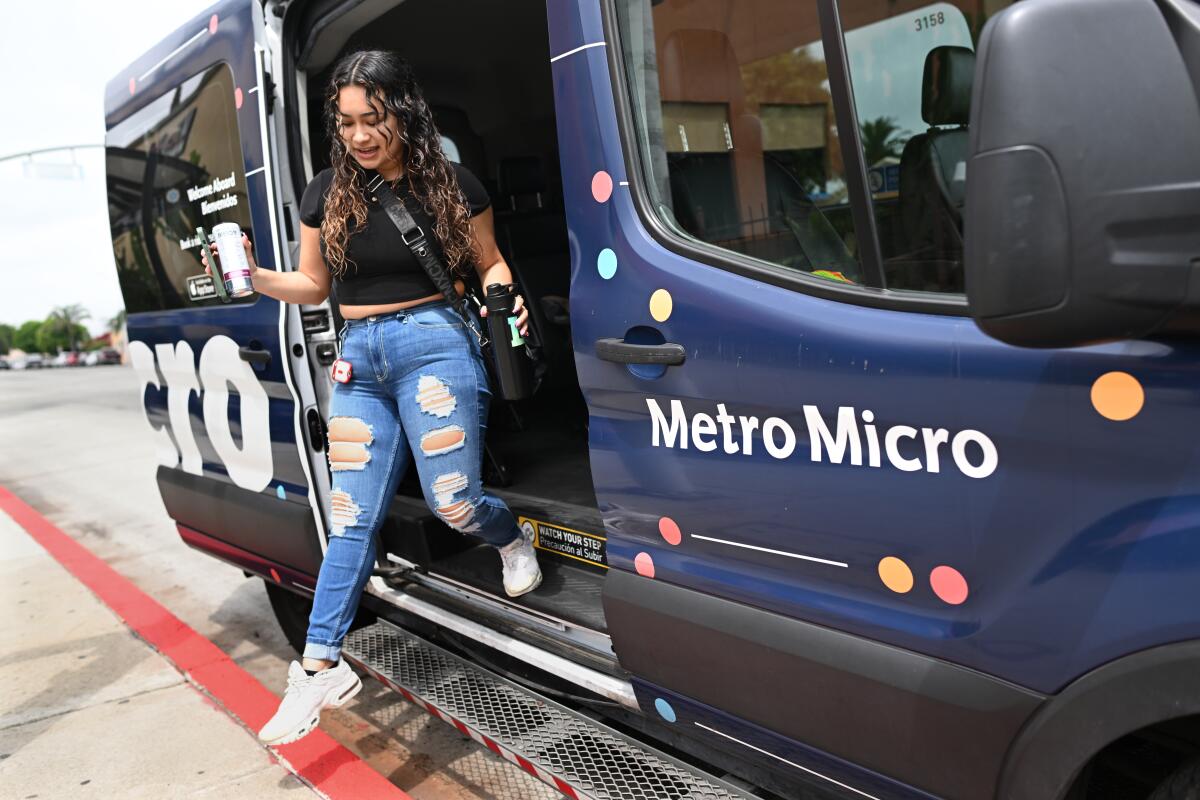
I was tasked with aiding the deployment of an expansion to the Metro Micro microtransit service serving the greater Los Angeles area. This consisted of efforts in software development, vehicle preparation, and operational workflow development. All service vehicles were sourced with sustainability in mind, and the fleet consisted of Wheelchair-Accessible Vehicles to ensure transit access for riders with disabilities.
Unique Factors / Challenges
Unique factors of this project were the following:
External software support
Data synchronization
Payment options
Vehicle fleet acquisition & preparation
Driver acquisition & management
Service size
External software support was required because the project's mobile app was configured in tandem with the rideshare company Spare. This setup required special coordination with the Spare team to ensure compatibility with Via vehicles and operational practices.
Data synchronization was notable because both Via and Spare required access to various data sets to ensure smooth operations across their systems.
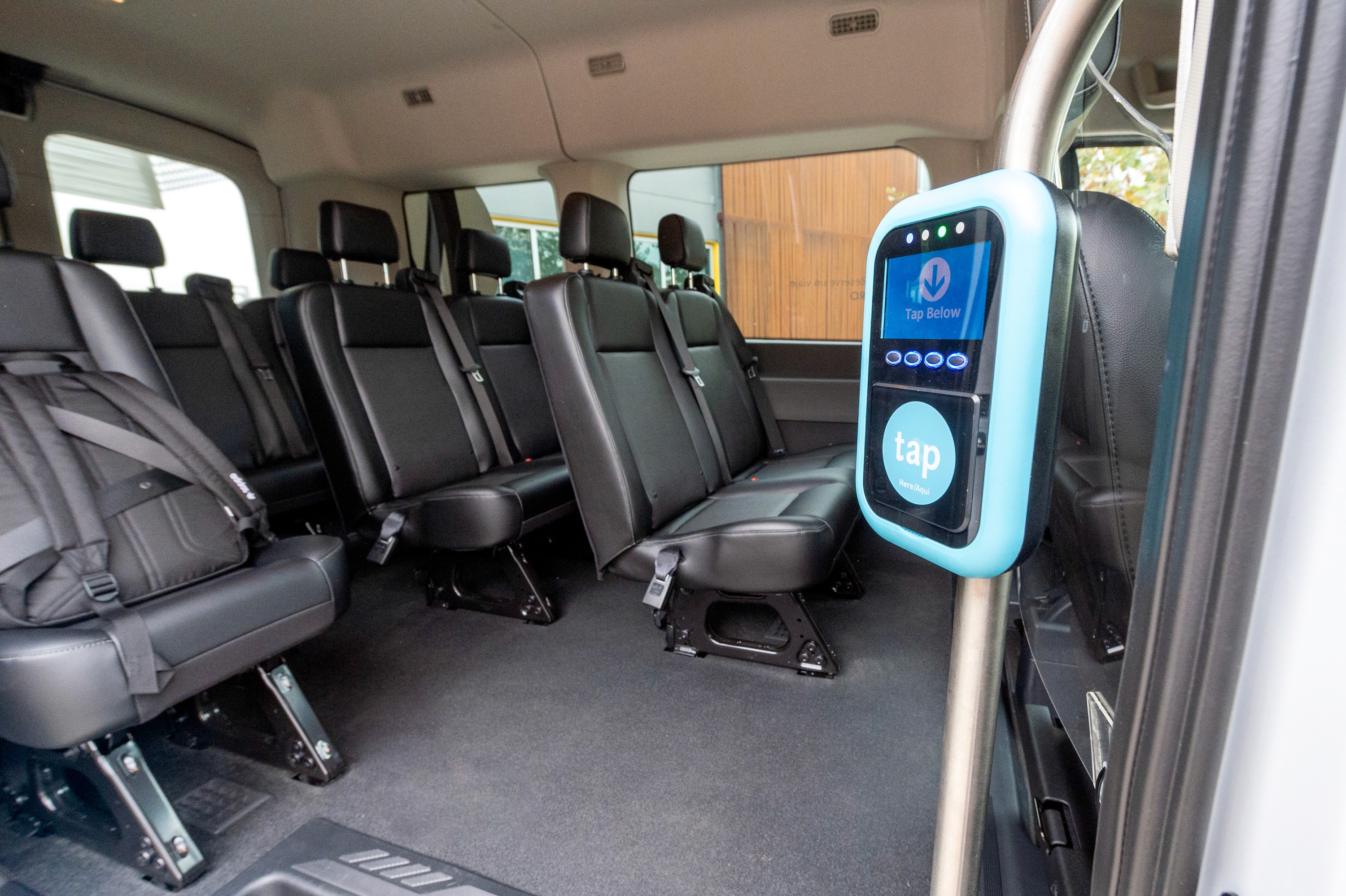
Payment options were unique because the service supported newer payment methods, such as physical tap-to-pay options in vehicles, mirroring those often found on traditional public buses. This required installing and supporting physical tap-to-pay terminals in service vehicles.
Vehicle fleet acquisition & preparation were notable for multiple reasons. The first reason is due to the size of the microtransit service. The service required over 50 vehicles, ranging from minivans to minibusses. Acquisition and preparation of service vehicles involved the efforts of vendors and support specialists nationwide. The second factor is that vehicles were required to follow strict requirements set by the Metro organization. This included equipping each vehicle with fire extinguishers, seat-belt cutters, physical tap-to-pay terminals, etc. Multiple vehicle depots were established across Los Angeles to ensure adherence to these requirements and the ongoing maintenance of the service vehicles.
Driver acquisition & management were notable because all drivers were sourced through the Metro organization. Drivers were selected from a pool of current public transit operators, and all were employees, unlike Via's usual model of using independent contractors. Significant human resources were devoted to training and ongoing support of 100+ drivers.
Finally, the service size was significant. The project, Via's largest contract ever, spanned more than 9 zones in the Los Angeles Metro area. Significant efforts were made to ensure drivers and vehicles could be flexed across zones, including altered support and operational flows per zone, to ensure high quality within each region of the service.
Achievements & Outcome
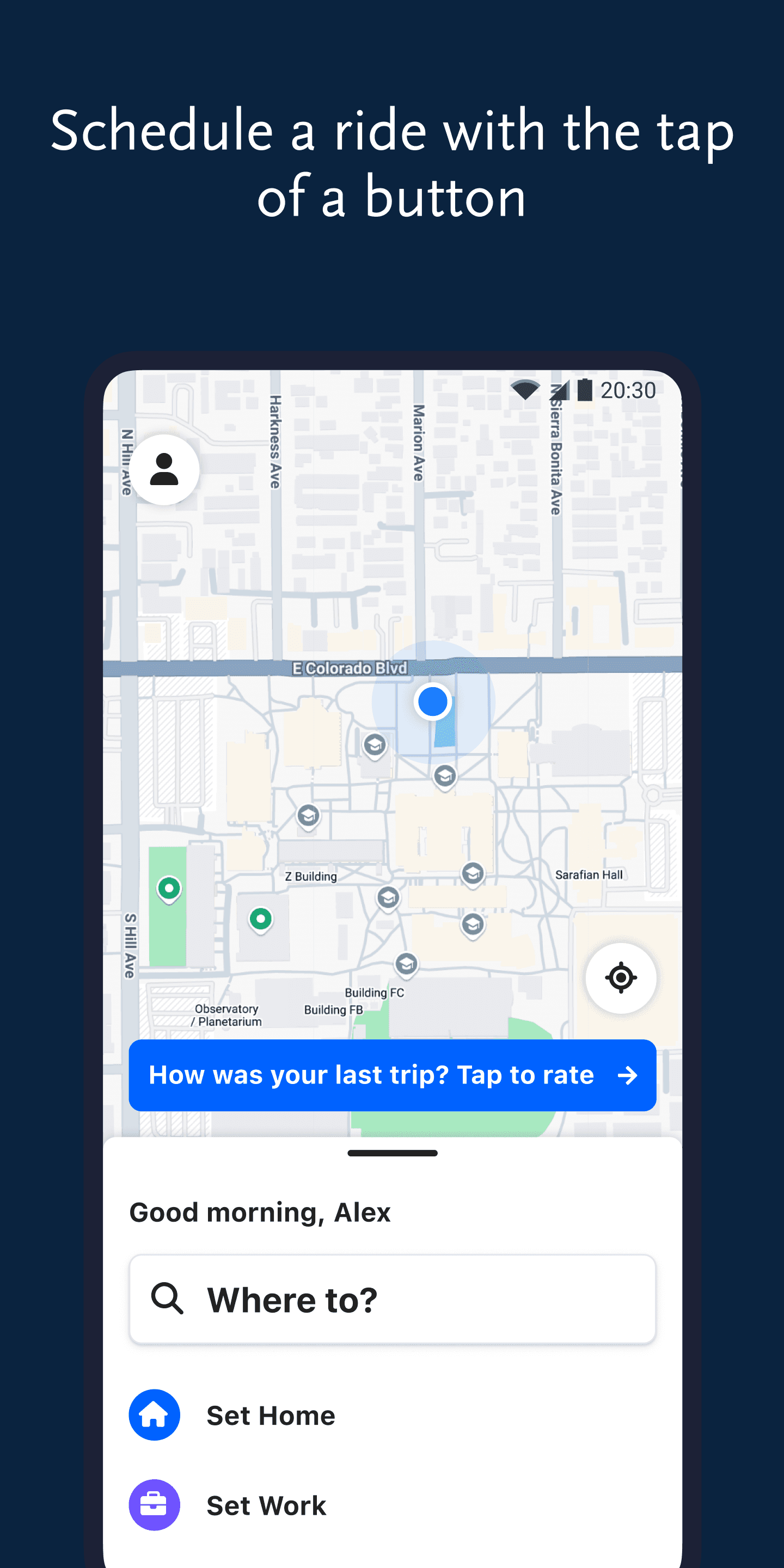
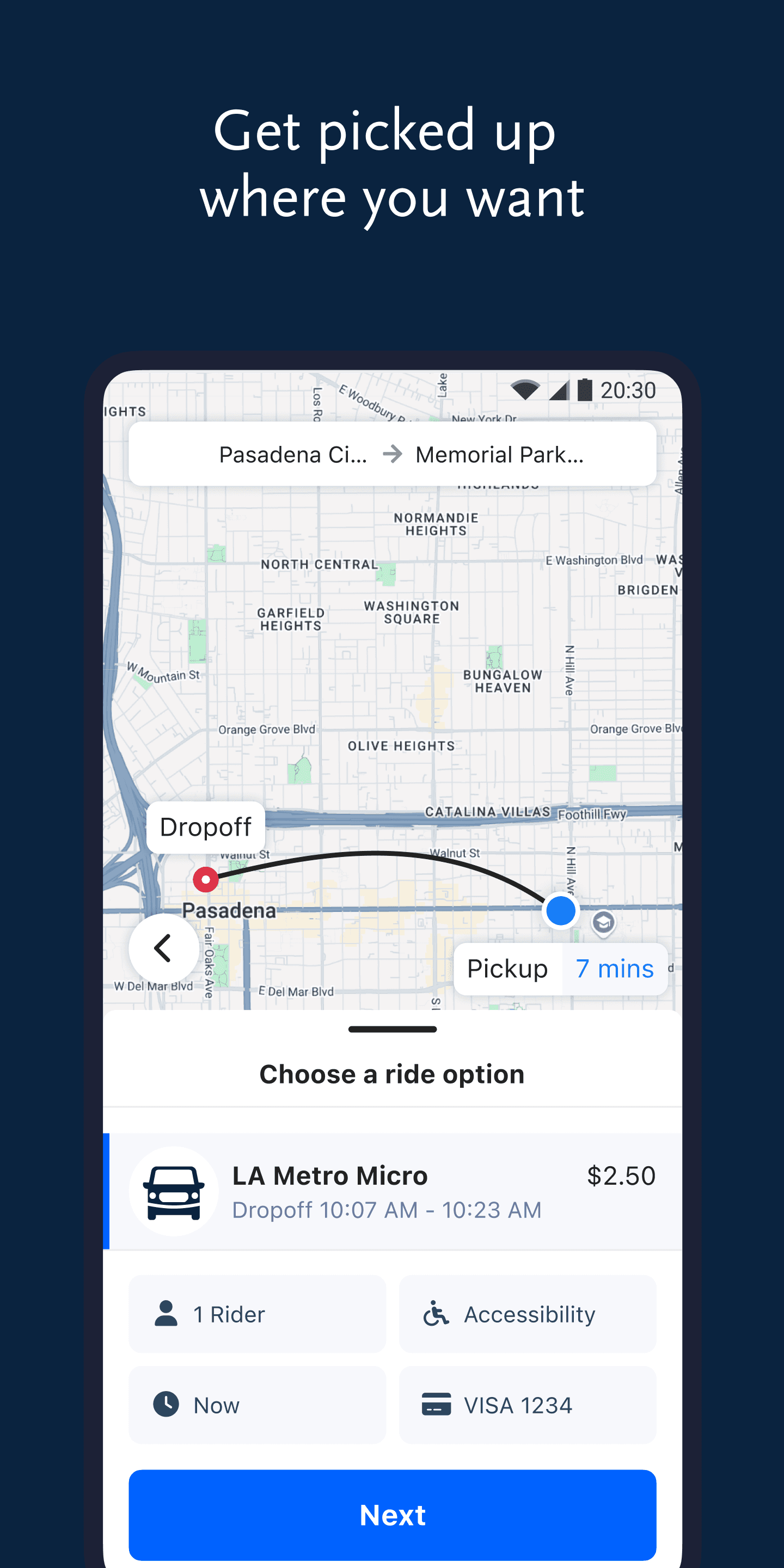
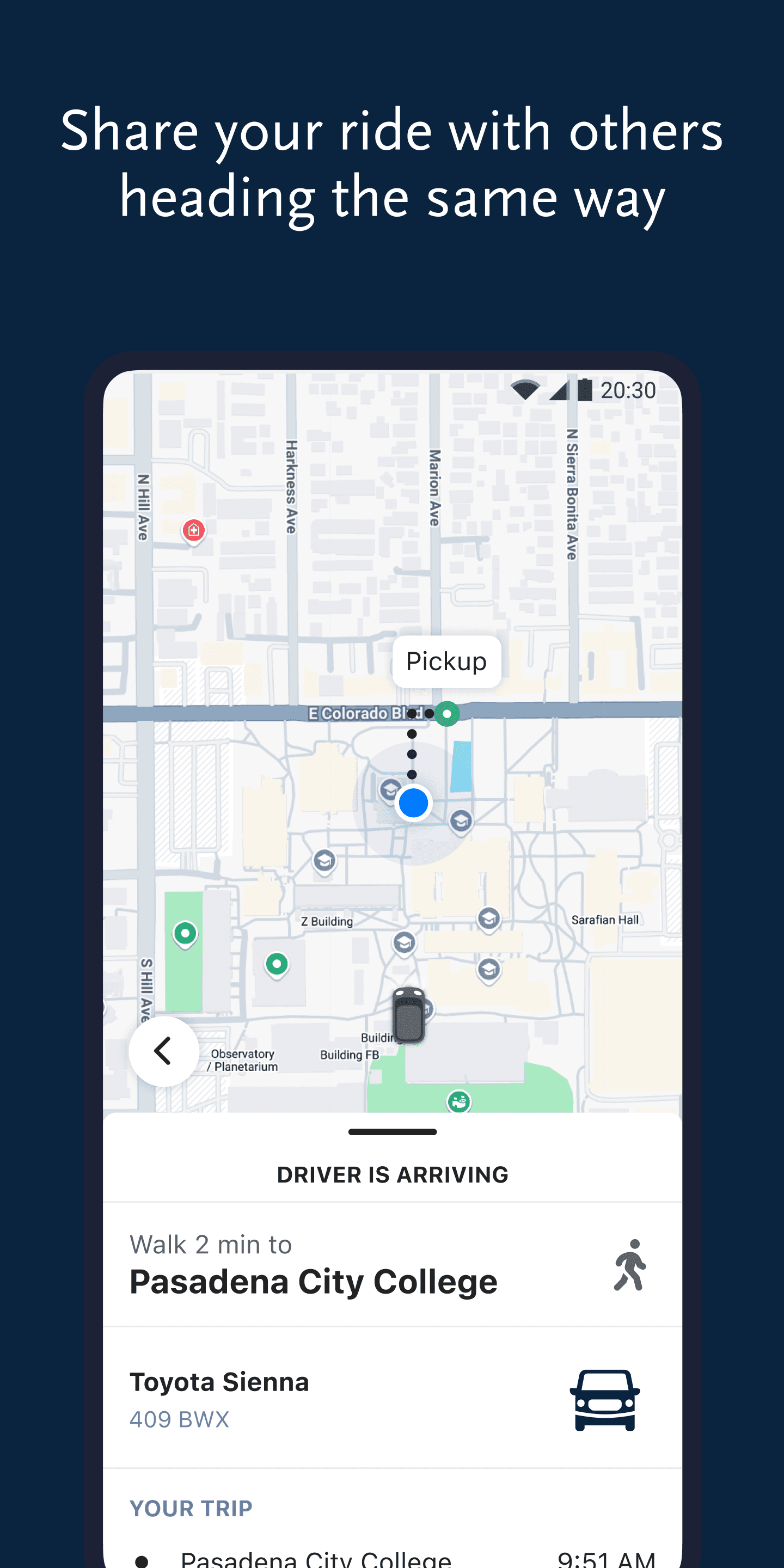
Support of a white-label mobile application titled "LA Metro Micro"
A revamp of Via's largest contract and one of Via's largest service deployments globally, offering Los Angeles residents an additional option for traveling within the city and accessing regional transit hubs connecting to San Francisco, Las Vegas, and beyond.
Service of over 2,000 rides per day