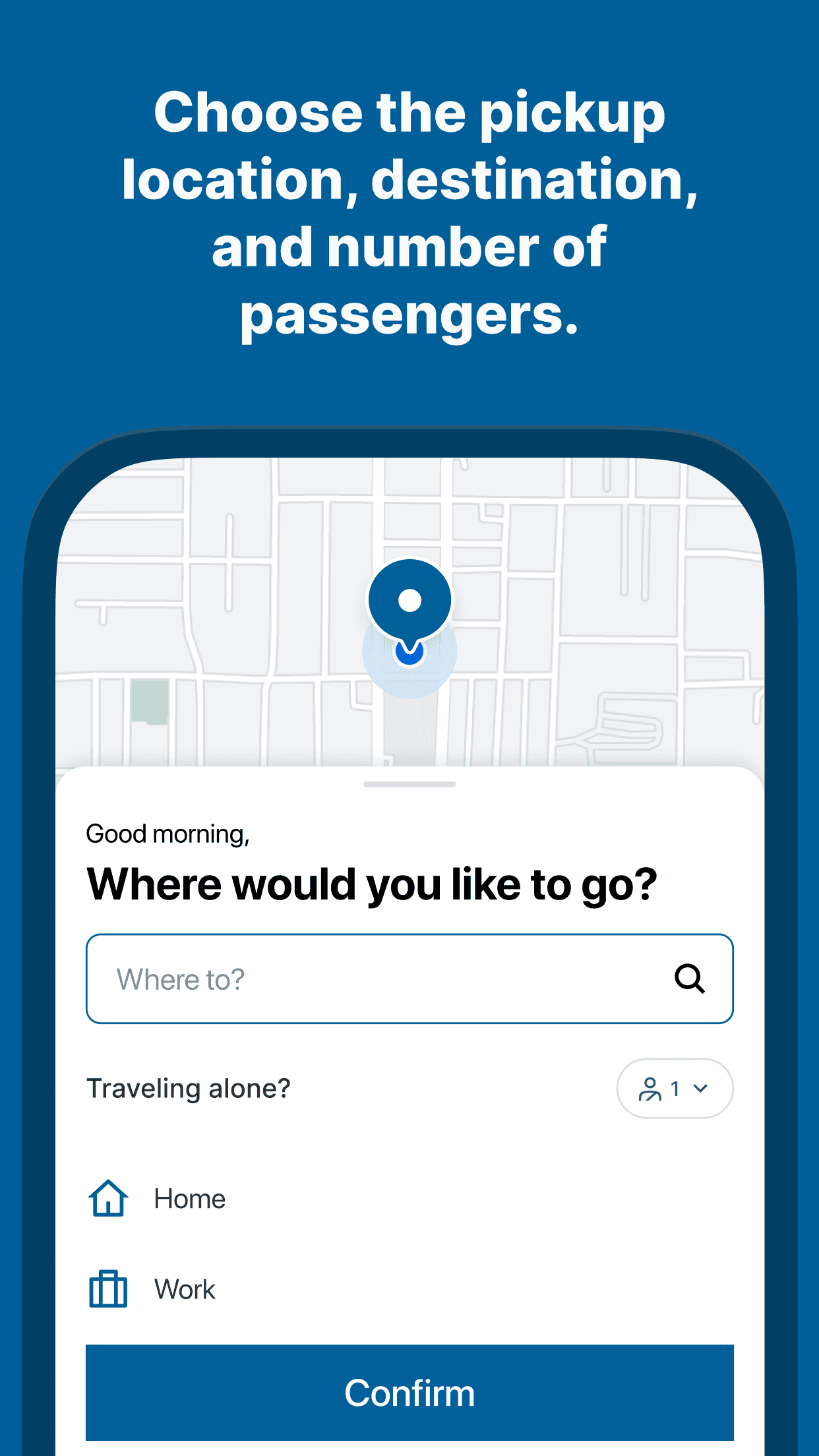
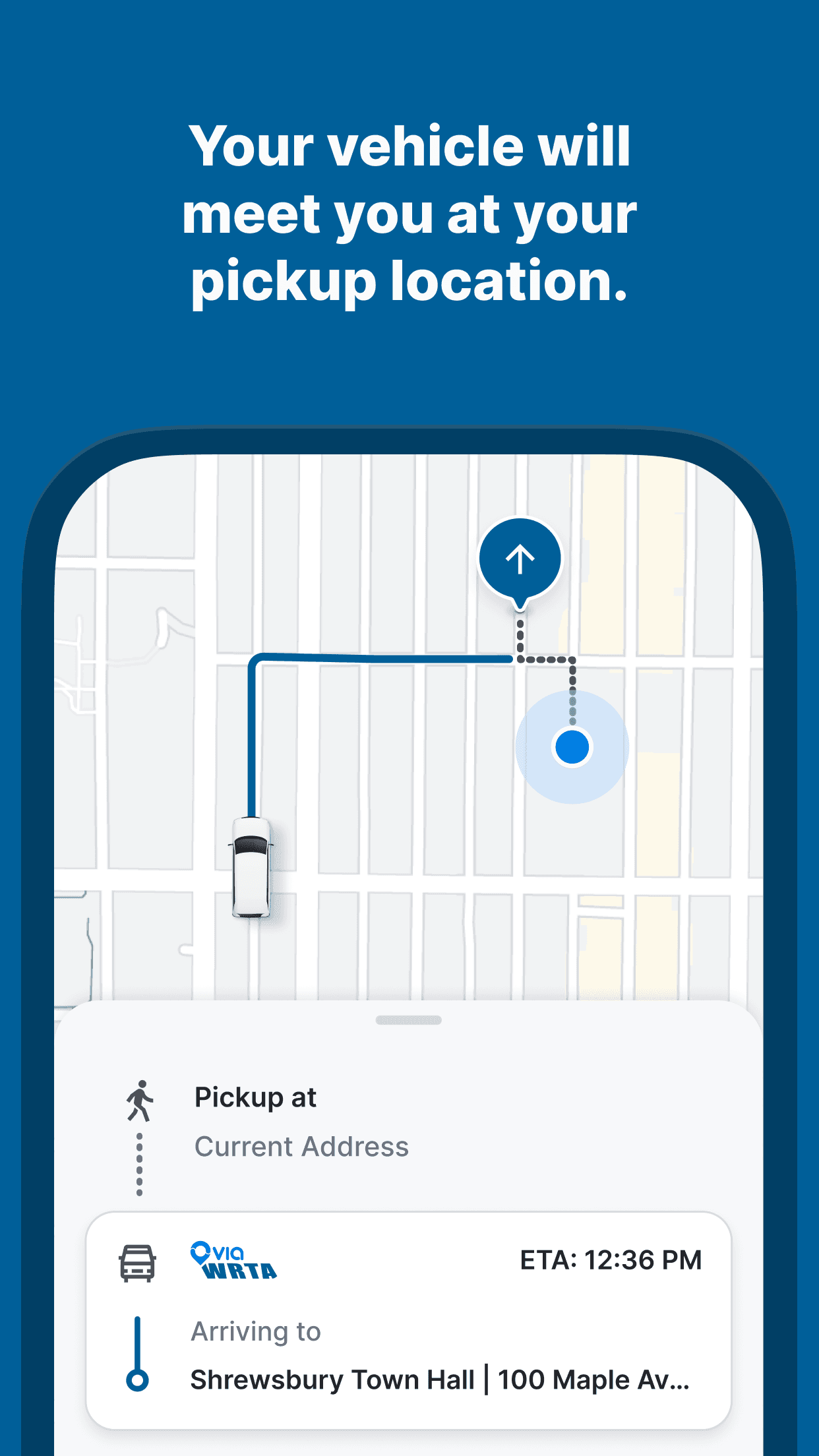
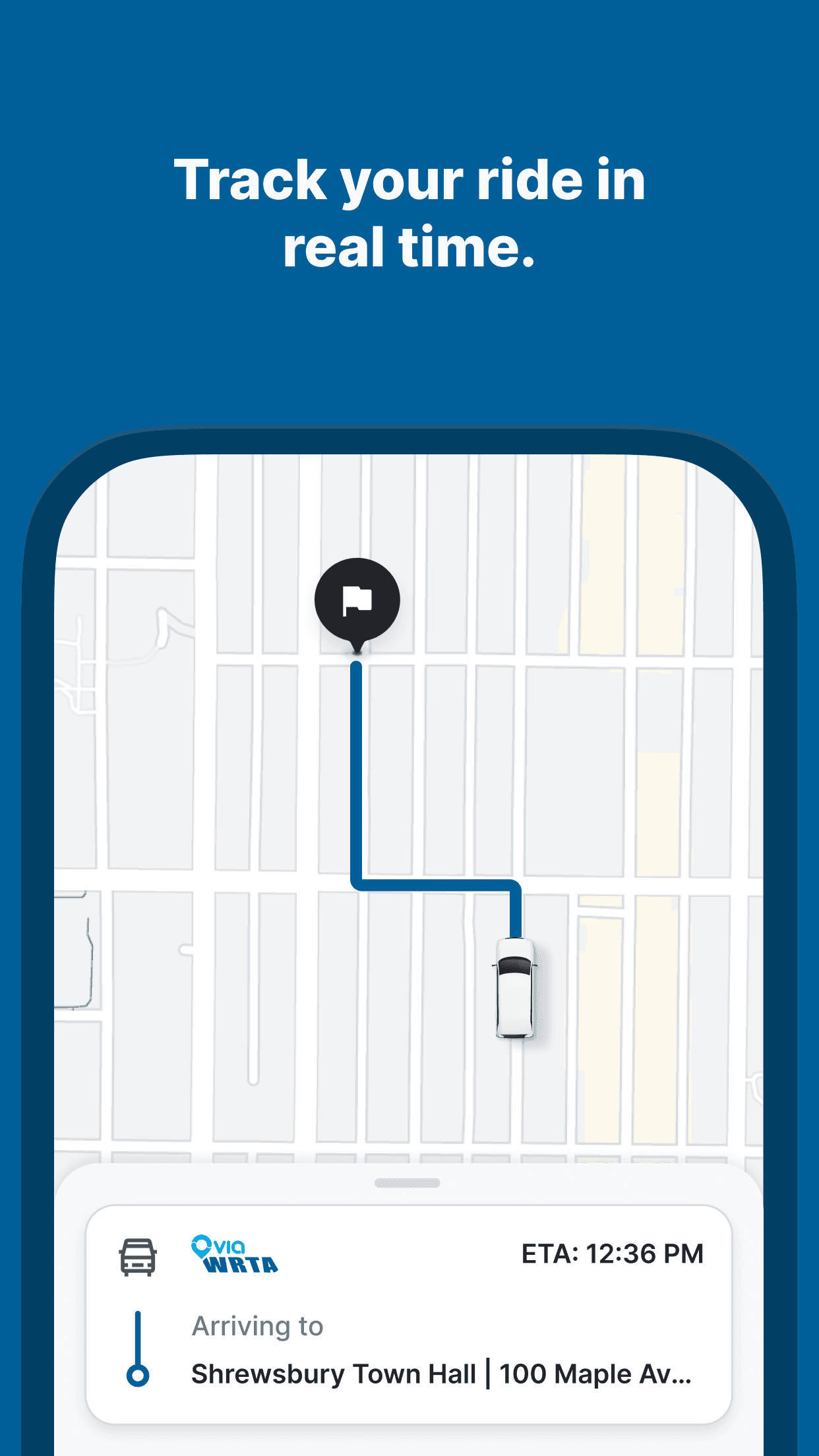
WRTA Rider
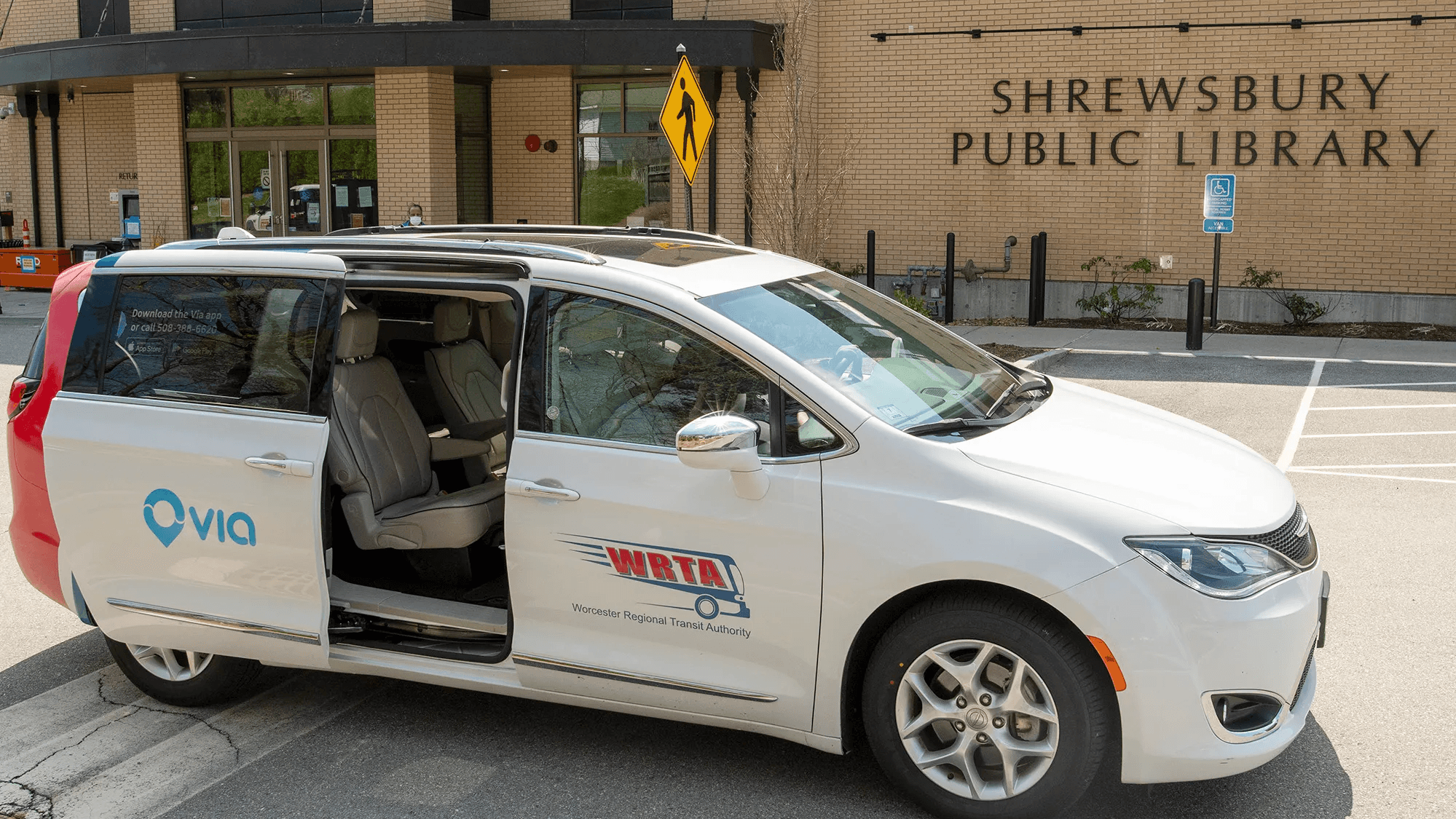
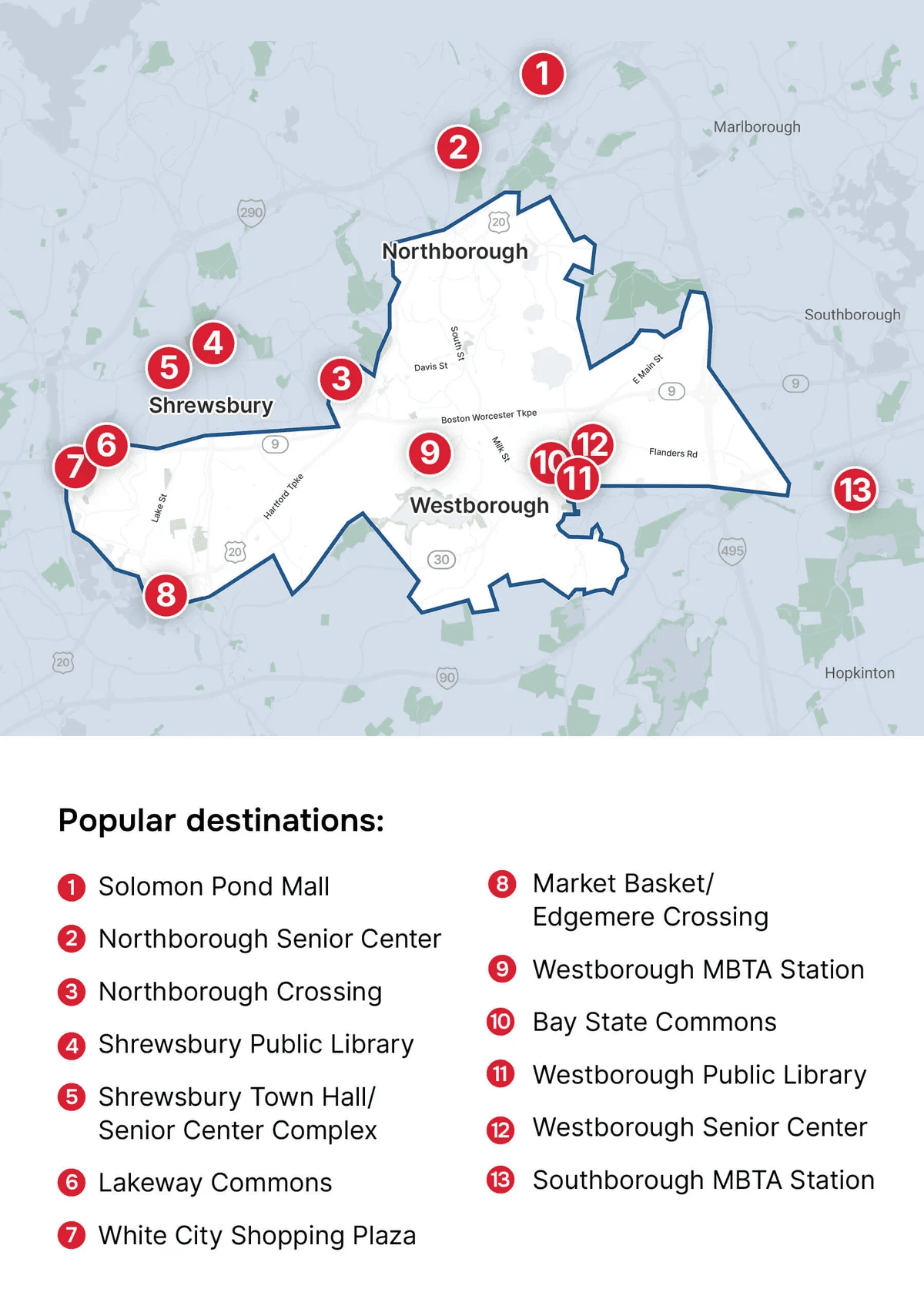
WRTA Rider was a relaunch of the central Massachusetts microtransit program, focused on everyday mobility within Westborough, Worcester, and Shrewsbury. Furthermore, connections to MBTA stations provide access to Boston and other regional hubs.
Client Context
Located just west of Boston, the towns of Westborough, Worcester, and Shrewsbury are some of the largest in the region. While each is important in its own right, their significance as a whole can't be overstated as they come together to form one of the key metropolitan areas of Central Massachusetts. Residents frequently travel among the towns or commute outwards, with Downtown Boston lying eastward and Amherst lying Westward.
With residents relying heavily on personal vehicles to travel within the towns or to connect to MBTA stations serving the greater region, the Worcester Regional Transit Authority (WRTA) sought to supplement transit options with a microtransit service that would meet a wide range of mobility needs.
Project Overview
I was tasked with handling the transition of WRTA Rider from Via's legacy Tech Stack onto Via's new standard infrastructure. This consisted of supporting the development of an updated consumer mobile app and migration of components used in the live service (Drivers, Vehicles, etc.) Furthermore, existing user data was also moved to ensure that the rider transition to the new app was as seamless as possible.
In addition, the vehicle fleet was revamped, with Wheelchair Accessible Vehicles maintained to ensure transit access for riders with disabilities.
Unique Factors / Challenges
Unique factors of this project were the following:
Operational testing
Data synchronization
Payment integration
Migration planning
Operational testing was a unique challenge because the project centered on technical upgrades to a live operating service. This factor meant that testing processes and timing had to be altered to ensure the operational service wasn't impacted.
Data synchronization was notable because the program was never shut down during the transition to avoid disrupting riders' commute routines. Therefore, data was being written and stored within the old infrastructure right up until the service migration actually occurred. To enable this, rider data was transferred multiple times to ensure all previous data was present in the new database.
Payment integration efforts were significant because the technical update included updating available payment options and payment processing flows. This included adding newer payment methods such as Apple Pay. Moreover, it was critical that existing rider credits purchased by users were transferred and usable within the new app.
Finally, coordination of the migration was notable, as it required extensive In-Person and remote-office resources to be aligned within a short time window on the morning of the migration. Systems were successfully implemented and workflows executed overnight within a couple of hours, ensuring that the old technical systems remained operational through the end of the previous service day and that the new ones were ready to go by the next morning. Support and engineering teams globally were involved in this effort.
Achievements & Outcome
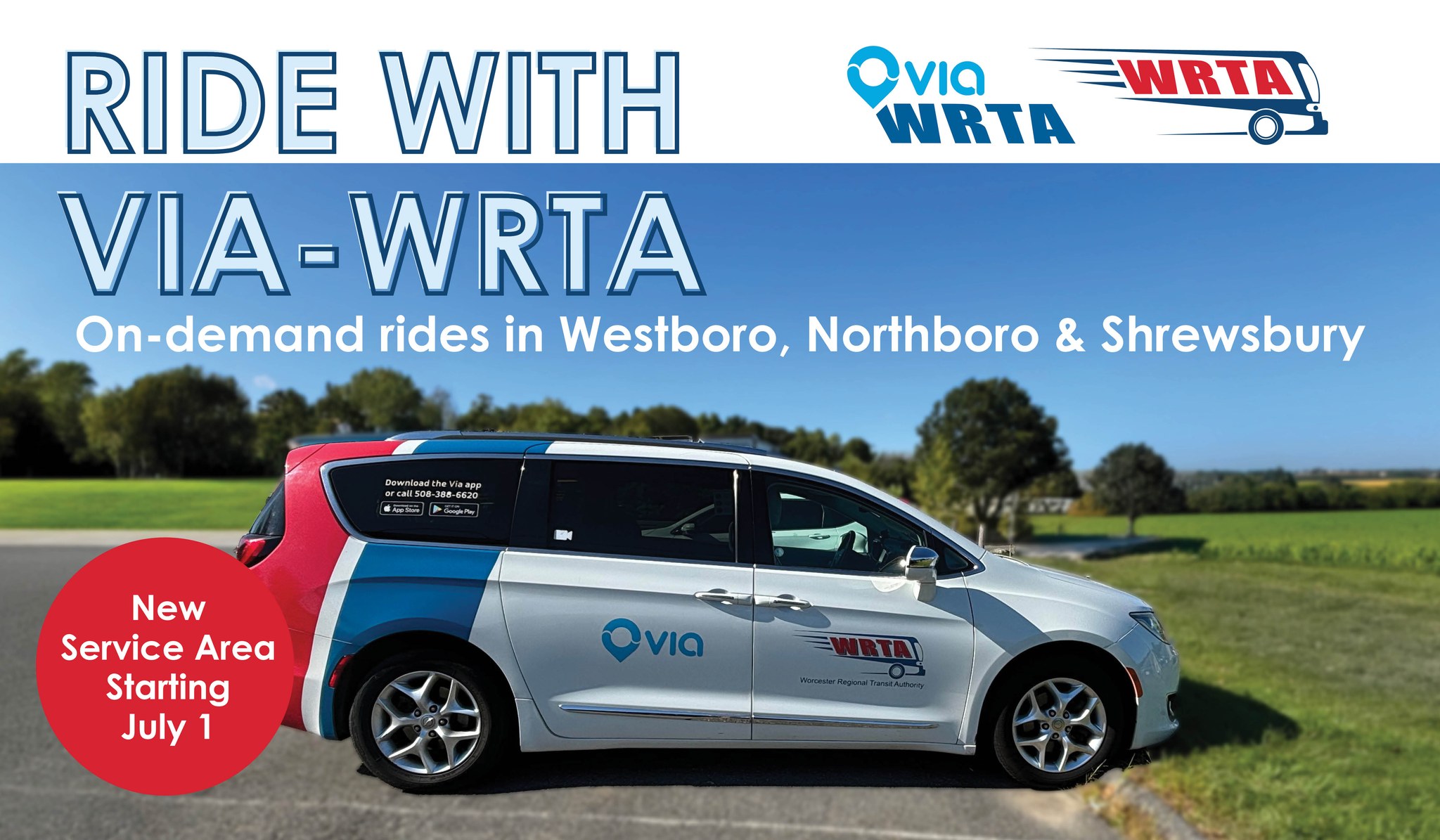
A white-label mobile application titled "WRTA Rider"
A needed update to the existing microtransit service offering Westborough, Worcester, and Shrewsbury residents an additional option for traveling within the region and accessing two MBTA stations connecting to Downtown Boston and beyond
Service of over 100 rides per day, and over 50,000 rides total since 2020